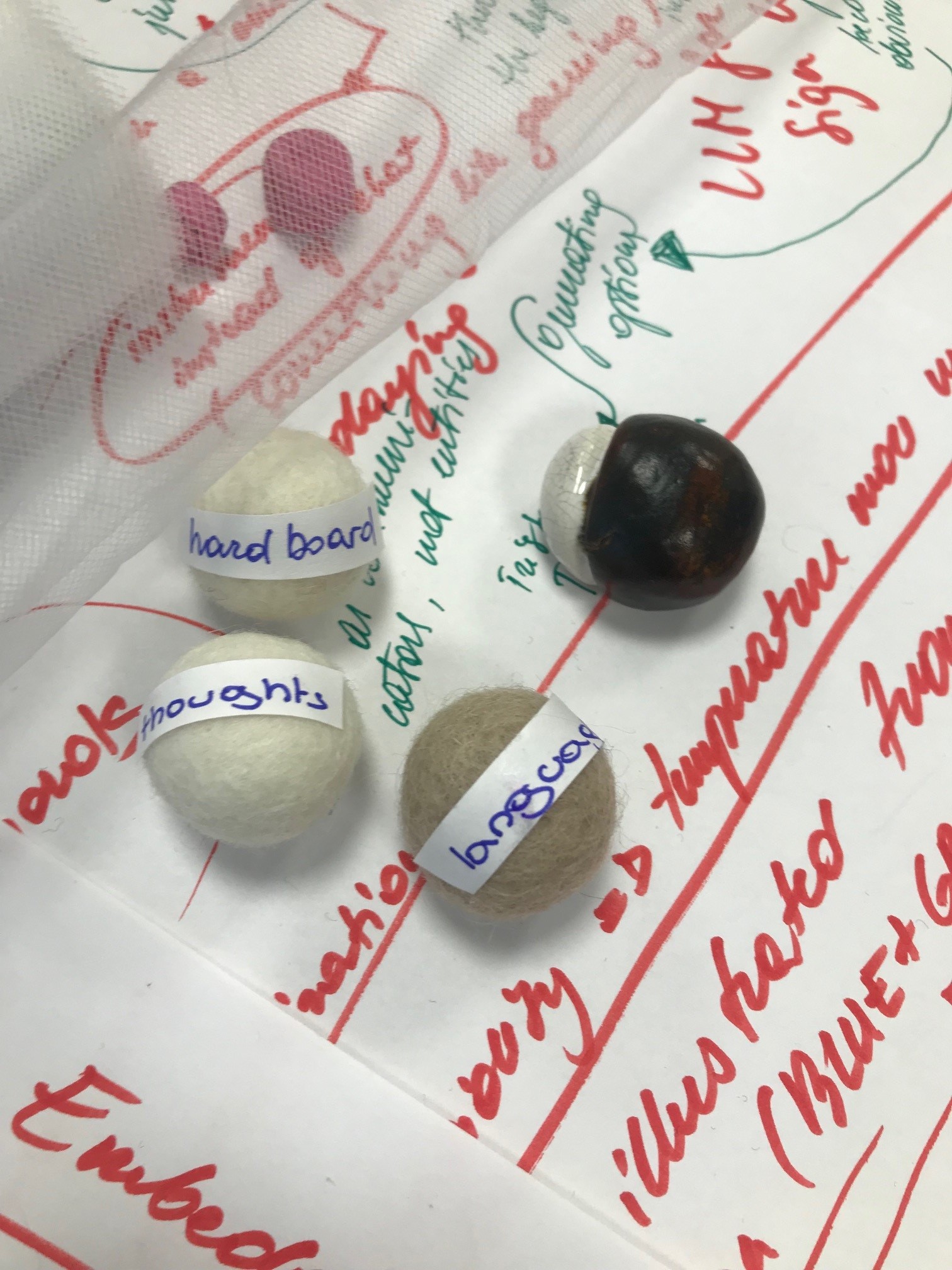
Communal Weaving for a Carrier Bag Practice of Computing: Reflections from NordiCHI 2026
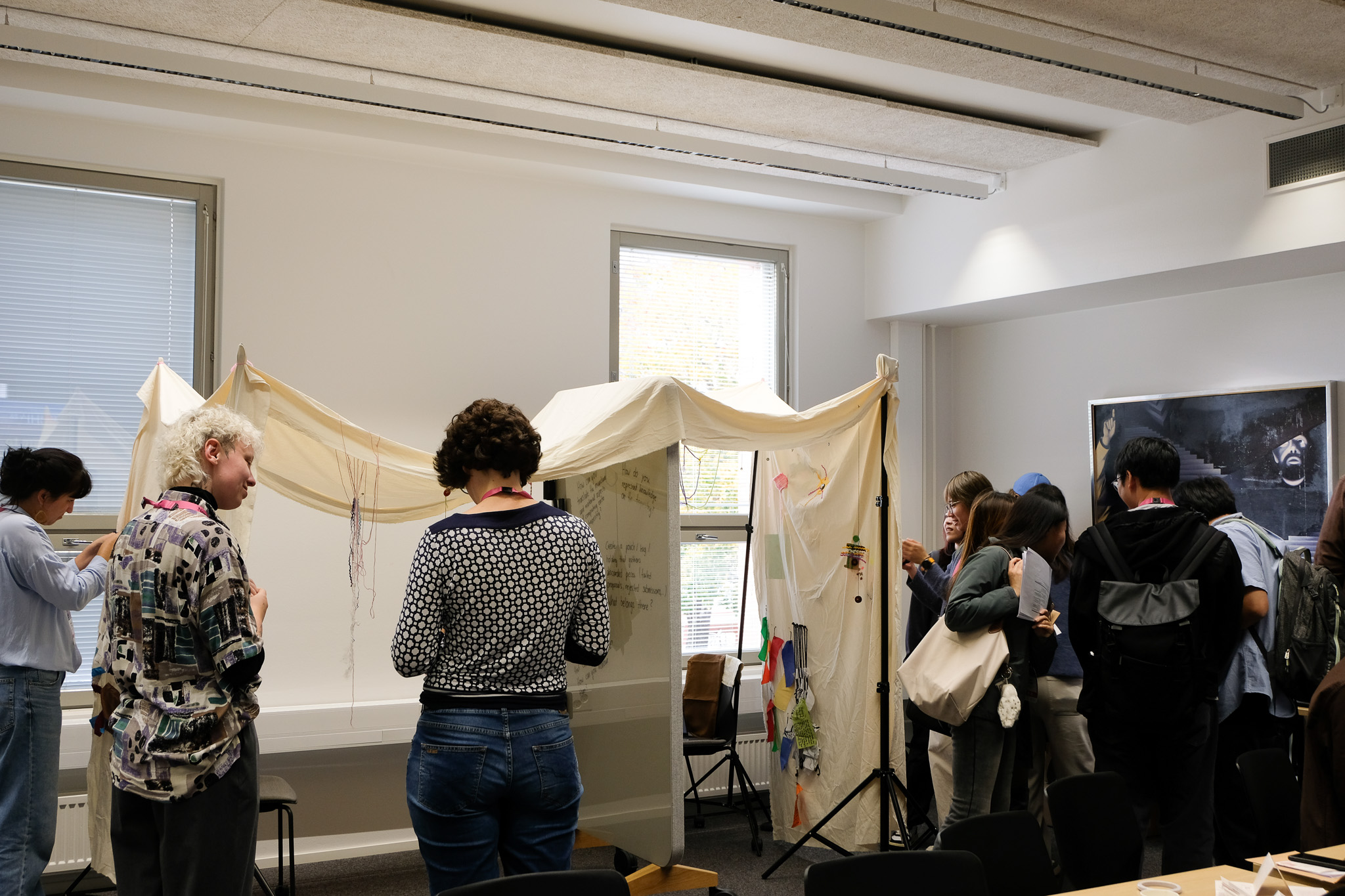
Beginning in spring of 2025, we have started to ask ourselves, as a research group, what kind of computing discipline do we want to work in? Inspired by Ursula K. Le Guin’s 1986 essay “The Carrier Bag Theory of Fiction” we asked ourselves: What does computing look and feel like to us? What do we want computing to look and feel like? And what type of knowledges are we drawing on in our work?

Tangible Embodied Interactions and AI – reflections from TEI 2025

Tangible and embodied interactions – can they offer something for the way users understand and engage large language models (LLMs)? This is the question that we explored in studio (a.k.a. hands-on workshop) titled “Tangible LLMs: Tangible Sense-Making for Trustworthy Large Language Models” that PIT, namely […]

After Explainability: Directions for Rethinking Current Debates on Ethics, Explainability, and Transparency 

EU guidelines on trustworthy AI posits that one of the key aspects of creating AI systems is accountability, the routes to which lead through, among other things, explainability and transparency of AI systems. While working on AI Forensics project, which positions accountability as a matter […]

Bayesian Knowledge: Situated and Pluriversal Perspectives

November 9 & 10, 2023 09:00–12:30 BST / 10:00–13:30 CET / 04:00–07:30 ET / 20:00–23:30 AEDT Hybrid workshop (online + at Goldsmiths, London, UK) This workshop examines potential conceptual and practical correlations between Bayesian approaches, in statistics, data science, mathematics and other fields, and feminist […]

Booklet documentation of the “Methods, Theories, and Taking Action Through Gender and Feminisms in Human-Computer Interaction” event series

The workshop series on “Methods, Theories, and Taking Action through Gender and Feminisms in Human Computer Interaction” was documented in a booklet.

Join us in reading Jackson’s “Becoming Human: Matter and Meaning in an Antiblack World”

In what ways has animality, humanity and race been co-constitutive of each other? How do our understandings of being and materiality normalize humanity as white, and where does that leave the humanity of people of color? How can alternative conceptualizations of being human be found […]

Reading group Spring session: Ruha Benjamin’s “Race After Technology”

Are robots racist? Is visibility a trap? Are technofixes viable? What is social justice in the high-tech world? These questions are raised in Ruha Benjamin’s book Race After Technology (2019, Polity Press) that we will read during our TBD reading group spring session 2020. Race […]